
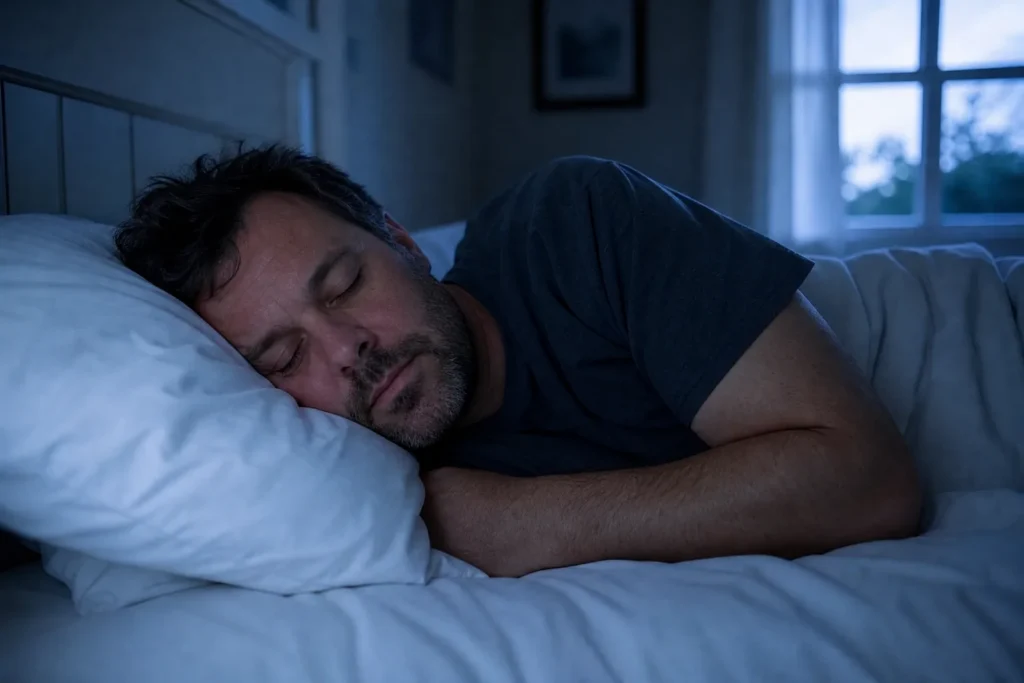
Sleep apnea treatment in Scottsdale doesn't have to begin with a CPAP machine or a long specialist waitlist. Your family dentist can screen for obstructive sleep apnea, coordinate your diagnosis, and fit a custom oral appliance that keeps your airway open all night. Explore our Dental Services to see how Lernor Family Dental helps Scottsdale families sleep soundly.
By Lernor Family Dental Team, Scottsdale Dentists
What Is Sleep Apnea and Why It Matters
Sleep apnea is one of the most common sleep disorders in adults, marked by repeated pauses in breathing during the night. The most prevalent form, obstructive sleep apnea, occurs when throat muscles relax and block the airway. Researcher Paul Peppard and colleagues, writing in the American Journal of Epidemiology in 2013, found that sleep-disordered breathing affected an estimated 26 percent of adults between ages 30 and 70, a dramatic increase from prior decades.
These breathing interruptions disrupt REM sleep and the slow-wave stage that the brain and body depend on for overnight repair. Individual sleep need varies by age, but most adults require seven to nine hours of quality sleep per night to function well. When sleep apnea intervenes, patients can spend eight or nine hours in bed and still wake exhausted because the quality of their sleeping time has been fractured by hundreds of brief arousals. Over months and years of insufficient sleep, the cardiovascular and cognitive toll compounds steadily.
Signs Your Dentist May Notice First
Dentists examine the mouth at every visit and are well-positioned to spot early signs of a sleep disorder before patients connect the dots. Common findings include flattened or cracked tooth surfaces from nighttime grinding (bruxism frequently co-occurs with obstructive sleep apnea), a narrow upper arch, a recessed lower jaw, or a tongue with scalloped edges from chronic mouth breathing.
Our General Dentistry appointments include a brief sleep health questionnaire and an airway assessment. If findings suggest disordered sleeping, we coordinate with your physician or a local sleep medicine specialist to arrange a formal diagnosis before recommending any treatment.
Oral Appliance Therapy: A Proven Sleep Apnea Treatment in Scottsdale
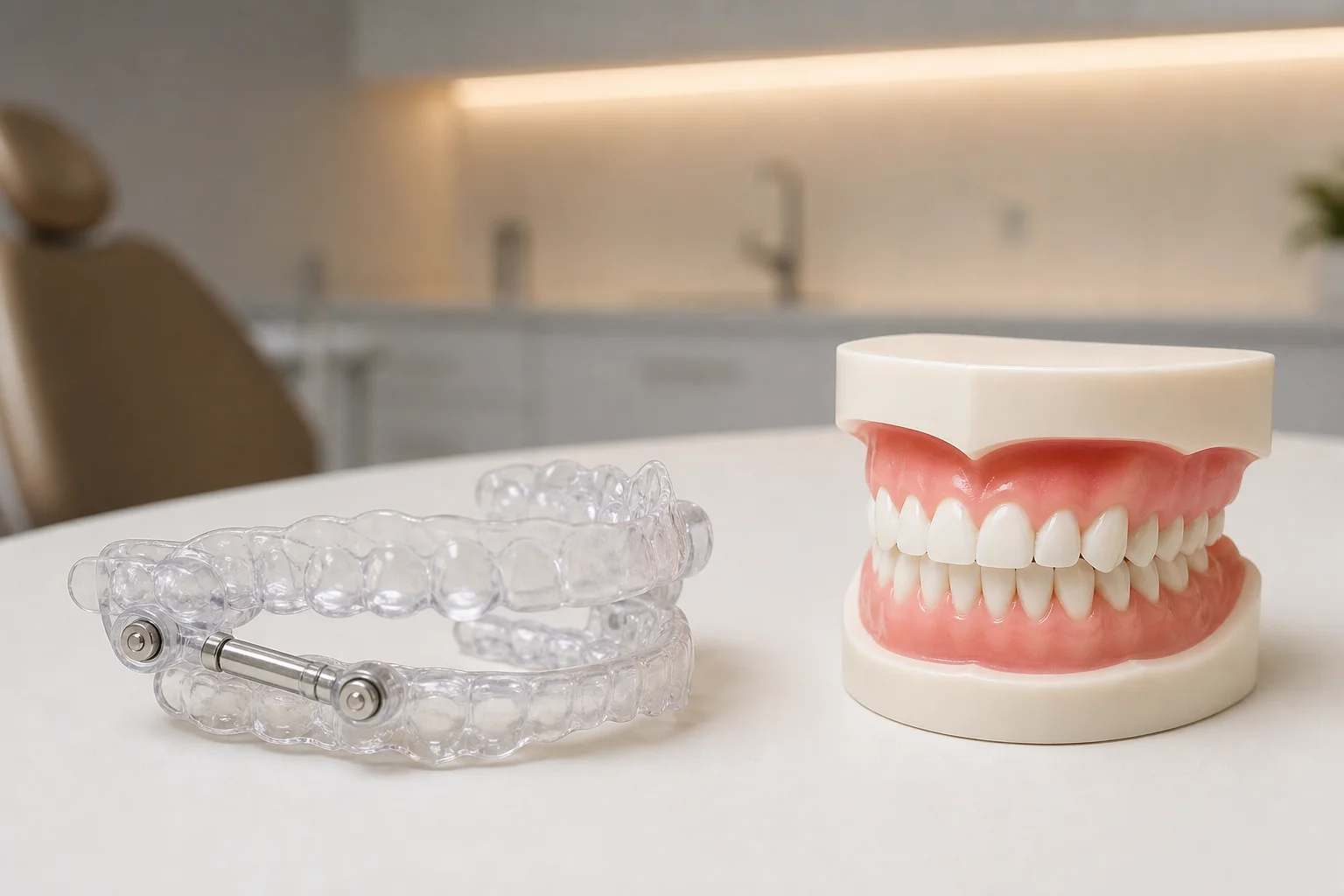
After a sleep study confirms obstructive sleep apnea and its severity, oral appliance therapy is often the most comfortable path to quality sleep, especially for mild to moderate cases. These small, custom-fitted devices, called mandibular advancement devices, hold the lower jaw slightly forward while you are sleeping. That shift prevents the airway collapse that causes breathing to stop repeatedly through the night.
Researcher Kate Sutherland and colleagues published a 2014 review in the journal Sleep and Breathing confirming that oral appliances produced meaningful reductions in apnea-hypopnea index scores for mild and moderate OSA patients. Many participants preferred the appliance over CPAP because it is quieter, more portable, and easier to adjust to in the first few weeks.
Who Is a Good Candidate for an Oral Appliance
Custom oral appliance therapy works best for adults with mild to moderate obstructive sleep apnea, or for those with more severe OSA who cannot tolerate a CPAP mask. Patients who travel frequently, share a bedroom, or struggle to fall asleep while wearing a mask often find this option particularly appealing. Your dentist and sleep physician review your sleep study results, jaw anatomy, and dental health together to determine the right fit.
What Happens at Your Appointments
Getting a dental sleep appliance is a straightforward, multi-step process. At the first visit, we take digital impressions of your upper and lower teeth. A dental lab builds a device fitted exactly to your bite, and you return in about two weeks for the fitting. We then adjust the jaw position in small increments over the following weeks until your symptoms improve and your airway stays open through the night.
Most patients need a follow-up sleep study 60 to 90 days after they begin using the device to confirm the appliance is reaching target reduction levels. Adjustments can be made at any follow-up visit. Annual check-ins ensure the fit stays correct as your teeth shift with age and as the cumulative hours of use build up over time. Whether you are exploring sleep apnea treatment in Scottsdale for the first time or have been living with symptoms for years, our team is here to guide you through every stage.
How Sleep Apnea Connects to Your Oral Health
Sleep apnea and oral health form a two-way cycle that compounds over time. Mouth breathing during the night depletes saliva, the fluid that neutralizes acids and remineralizes enamel. Without adequate saliva, cavity risk rises and early gum disease becomes more likely. Acid reflux, which frequently accompanies obstructive sleep apnea, erodes enamel during the short pauses between arousals, adding up over years and hours of nighttime exposure.
Bruxism from disrupted REM cycles also wears down tooth structure over months. Many patients never connect their grinding habit to their sleep quality until one problem becomes severe. Treating the underlying sleep disorder often reduces grinding frequency and protects teeth from further damage. Regular screenings at routine preventive dentistry visits catch these downstream effects early, even before a patient realizes sleep quality is the underlying cause.
Parents should also know that sleep apnea is not only an adult condition. Pediatric OSA often presents as behavioral changes or poor focus rather than obvious snoring, so we screen children for airway issues at every routine pediatric dentistry visit.
Frequently Asked Questions
Does dental insurance cover sleep apnea treatment?
Coverage for sleep apnea treatment typically falls under medical insurance rather than dental benefits because obstructive sleep apnea is a medical diagnosis. Many plans cover a meaningful portion of oral appliance costs once a physician confirms the diagnosis and provides a referral. Our team verifies your specific benefits before you schedule appointment time with us, so there are no billing surprises when you arrive.
How quickly will I notice better sleep quality?
Most patients notice improved sleep quality within the first two to three weeks of consistent nightly use. Mild jaw soreness in the first few mornings is normal and fades as the muscles adapt. A follow-up sleep study at the 60 to 90 day mark measures whether apnea events have reached target levels and whether further adjustment is needed.
What if I struggle to fall asleep with something in my mouth?
Modern oral appliances are slim and far more comfortable than patients expect. Placing the device takes only a few minutes each night, and a short adjustment period at bedtime is common for most wearers. If persistent discomfort occurs, we modify the fit or jaw position at a follow-up visit. For those who truly cannot tolerate any oral device, we refer to sleep medicine physicians who manage alternative therapies.
Can sleep apnea affect people who do not snore loudly?
Yes. Some patients with sleep apnea never snore. Warning signs include waking with a morning headache, feeling tired during the day despite getting sleep, difficulty staying asleep through the night, and mood shifts. If you regularly feel as though you need more hours sleep than you are actually getting, mention it at your next visit so we can screen you properly.
Can untreated sleep apnea worsen over time?
Yes. Extended periods of insufficient sleep and repeated drops in blood oxygen progressively strain the heart, raise blood pressure, and increase risk for type 2 diabetes and stroke. Research links long-term obstructive sleep apnea to accelerated cognitive decline as well. Starting treatment early, even at a mild stage, significantly reduces long-term health risks.
Wake Up Rested: Begin Sleep Apnea Care at Lernor Family Dental
You deserve to feel genuinely rested every morning. If you snore, wake up exhausted, or suspect a sleep disorder may be affecting your health, talk to our team at your next visit. Book Appointment online today and let Lernor Family Dental guide you toward the restorative sleep your body needs.