
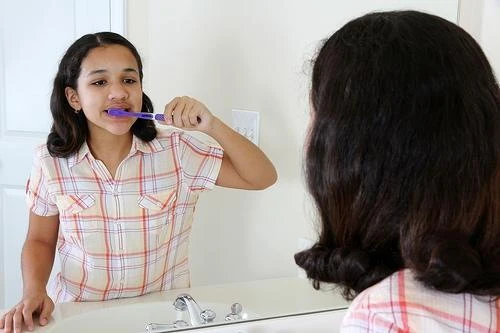
How to prevent cavities comes down to controlling plaque (the sticky film of bacteria) on your teeth. Brush twice a day with fluoride toothpaste, clean between teeth daily, limit sugary snacks and drinks, and keep up professional teeth cleaning visits. Small habits, repeated daily, lower your risk.
By Dr. Eric Lernor, DDS, Family Dentist, Lernor Family Dental
What causes cavities?
Cavities are holes in a tooth that form when tooth decay (the gradual breakdown of tooth structure) wears through the enamel. The cause is a chain reaction. Bacteria in your mouth feed on sugars and starches from your meals and snacks. Parents can even pass cavity-causing bacteria from mouth to mouth by sharing spoons or cleaning a pacifier with their lips. They give off acids. Those acids pull minerals out of tooth enamel, the hard outer shell of each tooth. Plaque holds the acids against the tooth, so the damage repeats until a hole forms.
Decay usually starts where plaque hides: the deep grooves of back teeth and the tight spaces between teeth. Cavities are one of the most common reasons people call our Scottsdale office, and we have been seeing patients here since 2003. Frequent snacking, a dry mouth, skipped brushing and flossing, and exposed root surfaces all raise the odds.
How to prevent cavities with daily brushing, flossing and rinsing
Good oral hygiene (the routine cleaning of your teeth and gums) is the foundation of oral health and cavity prevention. The American Dental Association (ADA) recommends a simple routine:
- Brush twice a day for two minutes. Use a soft brush and fluoride toothpaste. Angle the bristles toward the gums and use short, gentle strokes on every surface.
- Floss once a day. Flossing removes plaque from between teeth, where a brush cannot reach. It also keeps gums cleaner, which lowers the risk of gum disease.
- Rinse when your dentist suggests it. A fluoride mouthwash adds protection for some people, while a mouthwash that only freshens breath does little against decay.
- Replace your toothbrush every three to four months, or sooner when the bristles fray.
Night matters most. Saliva flow slows during sleep, so plaque left on your teeth at bedtime has hours to work. Brushing and flossing before bed, then skipping snacks, protects your teeth when their natural defenses are lowest. If string floss is awkward, ask your dentist about floss picks or a water flosser.
What are the foods that cause cavities, and what should you eat instead?
The foods that cause cavities are not only candy. Anything with sugars or refined starches feeds bacteria, and how often you eat matters as much as how much. Each time you eat or sip, bacteria make acids that soften enamel for a while. Saliva then needs time to bring the minerals back. Constant grazing never gives it that time, so three meals and a planned snack are gentler on teeth than a sweet drink sipped for hours.
That sipping habit is common in Scottsdale, where the heat keeps people reaching for a cold drink all day. Water is the one drink that helps instead of hurts. Here are common swaps among foods and drinks:
| Common choice | Why it raises risk | Smarter swap |
|---|---|---|
| Soda or sweet tea sipped all day | Constant sugars and acids on the teeth | Water, or finish a sweet drink with a meal |
| Gummies, caramel, dried fruit | Sticky sugars cling to grooves | Cheese, nuts or fresh fruit with a meal |
| Chips and crackers | Starches break down into sugars and pack into grooves | Raw vegetables or cheese |
| Fruit juice | Concentrated sugars and acids | Whole fruit with water |
Fluoride for cavities: how does it protect your enamel?
Fluoride is a mineral that makes tooth enamel more resistant to acids. It also helps repair very early weak spots by putting minerals back into the enamel, a process called remineralization. The CDC lists community water fluoridation among the great public health achievements of the 20th century, and the ADA supports fluoride toothpaste as a core part of cavity prevention.
You meet fluoride in three places. Toothpaste is the daily source. A fluoride rinse can add a boost for people with a higher cavity risk, though young children who may swallow it usually should not use one. A dentist can also paint fluoride varnish onto teeth during a visit. Your dentist decides which of these fits your mouth.

Can you reverse a cavity?
So, can you reverse a cavity? Only at the earliest stage. Enamel loses and regains minerals all day. A chalky white spot with no hole may remineralize (take minerals back in) with fluoride and better habits. Once a hole has formed, enamel cannot grow back, and the usual treatment is a filling. Only an exam and x-rays can show which stage a tooth is in, so your dentist makes that call.
How to stop a cavity from getting worse
If you suspect a problem, act early. Here is how to stop a cavity from getting worse until your visit:
- Book an exam soon. Decay that reaches deeper layers of the tooth may need a larger repair, and in some cases a crown or root canal.
- Keep brushing with fluoride toothpaste. Spit out the extra foam but skip the water rinse, so some fluoride stays on the tooth.
- Cut back on sugars between meals. Fewer sugar exposures give enamel more recovery time.
- Chew sugar-free gum after meals to boost saliva.
These steps may slow early decay, but they cannot fill a hole. If you have swelling or severe pain, call right away. Our practice offers a 24 hour emergency line.
Cavity prevention for different mouths: naturally, in children and with age
How to prevent cavities naturally?
The natural habits that work are plain ones. Drink water through the day, eat crunchy vegetables and dairy with meals, chew sugar-free gum, and stop grazing between meals. These habits help your mouth defend itself, but no home remedy refills a hole that has already formed. Oil pulling and charcoal powder have not been shown to replace fluoride, and abrasive powders can scratch enamel.
How to prevent cavities in children?
Start when the first tooth appears. The ADA suggests a smear of fluoride toothpaste about the size of a grain of rice for children under 3, and a pea-sized amount from ages 3 to 6, with an adult helping them brush and spit. Skip bedtime bottles of juice or milk, since sugars sit on small teeth all night. Some Scottsdale parents choose a pediatric dentist and others keep the whole family with one family dentist. The home routine matters either way.
If a baby tooth already has a deep cavity, the dentist may recommend a filling, a baby tooth crown, or sometimes removal, depending on how much healthy tooth is left.
How can adults avoid cavities as they get older?
Cavities do not stop at childhood. Gum recession exposes tooth roots, which decay more easily than enamel. Many medications cause dry mouth, which removes saliva's protection. The edges of old fillings can also develop new decay. Adults protect themselves with fluoride toothpaste, daily flossing, water, and a medication list shared with the dentist. Routine exams, cleanings and fillings all fall under General Dentistry, so the checkups that catch decay early can happen in one place. Gum disease, which starts with the same plaque, is another reason to keep those visits.
How often should you see a dentist to prevent cavities?
Many people visit every six months, but the right schedule depends on cavity history, gum health, diet and dry mouth. Your dentist may suggest more frequent visits if your risk is higher. Regular dental cleanings remove hardened plaque (tartar) that brushing cannot, and exams can catch early decay while fluoride may still be enough. Knowing how to prevent cavities at home is half the plan. The other half is a professional set of eyes and x-rays on a schedule that fits you.
Questions People Ask About Cavity Prevention
Is it normal for a 20 year old to have cavities?
Yes, cavities are common in young adults. Busy schedules, sugary or acidic drinks, skipped flossing and a night without brushing all add up. A dentist can check with an exam and x-rays and talk through habits that fit your life.
Is having 7 cavities a lot?
Seven cavities at once can point to something in the daily routine, such as frequent snacking, sweet drinks or a dry mouth. Fillings fix the holes, but a prevention plan matters just as much. Your dentist can build one around your mouth.
Which teeth usually rot first?
Back teeth, the molars and premolars, are the usual starting point because their deep grooves trap plaque and food. Surfaces between teeth and along the gumline also collect plaque. Older adults may see decay on exposed roots.
What toothpaste helps prevent cavities?
Any fluoride toothpaste used twice a day helps, and one with the ADA Seal of Acceptance is a simple filter. The brand matters less than the habit. For children, use the small amounts the ADA recommends.
Can fillings last 20 years?
Some fillings last many years, but lifespan depends on the material, size and location, grinding habits and how well you clean around it. Regular dental exams let your dentist check each filling and tell you when one needs attention.
Start With a Cavity Check at Our Scottsdale Office
New patients can begin with a $49 exam and x-rays, where the dentist looks at your teeth and gums and talks through a prevention plan that fits your mouth. Choose a time through Book Appointment.