
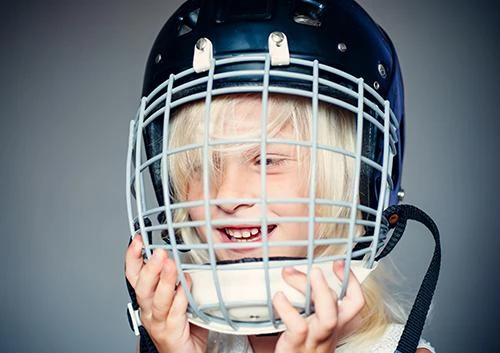
Mouthguards for sports cushion the teeth, lips, cheeks and jaw against hard hits, and the right one depends on the athlete, the sport and whether braces are involved. Stock, boil-and-bite and custom guards each fit differently. Our General Dentistry team in Scottsdale helps families choose.
By Dr. Eric Lernor, DDS, Family Dentist, Lernor Family Dental
Why do athletes need mouthguards for sports?
A mouthguard is a soft, removable appliance (a device worn in the mouth) that sits over the teeth and absorbs shocks before they reach bone and enamel. Some people call it a mouthpiece. It spreads the force of impacts across several teeth, so one tooth does not take the whole blow, and it protects the tongue and gums from cuts when a hit to the chin drives the teeth into soft tissue.
The American Dental Association (ADA) recommends a properly fitted mouthguard for athletic activities with a risk of contact or falls. Mouth guards protect the mouth, and that is the job to expect from one. Research on whether a mouth guard lowers concussion risk (a concussion is a brain injury from a blow or jolt to the head) is mixed, so a guard never replaces a helmet. An athlete with a head injury needs a medical evaluation, whatever the teeth look like.
Which sports require a mouthguard?
Rules vary by league and school, so ask the coach first. Dentists generally suggest a guard for any sport with contact, falls or flying equipment:
- Football, hockey, lacrosse and rugby
- Basketball, soccer and volleyball
- Boxing, wrestling and martial arts
- Baseball and softball
- Gymnastics, cheerleading, skateboarding and cycling
What is the best mouthguard for sports?
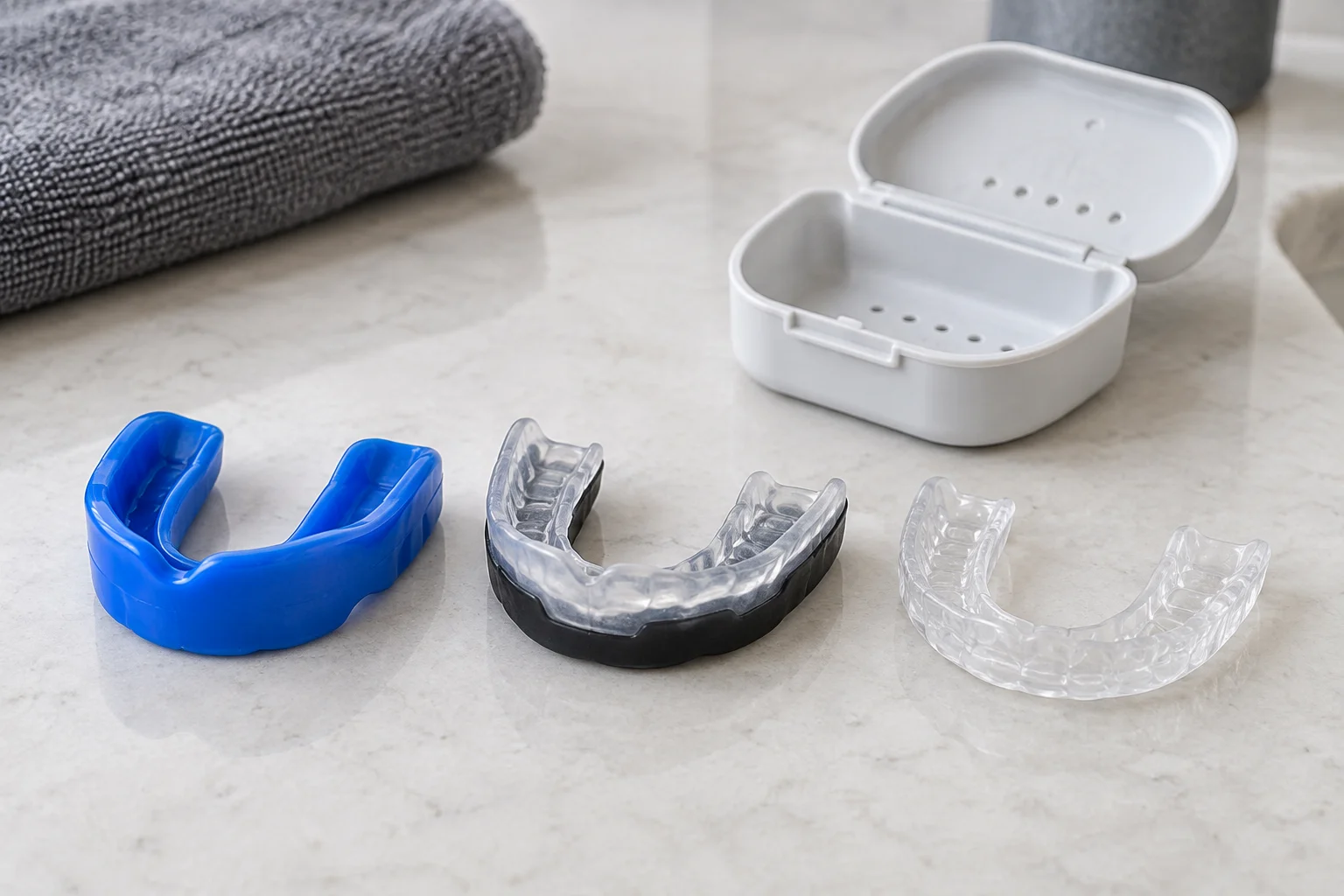
The best mouthguard for sports is the one that fits closely, stays in place, lets the athlete breathe and talk, and gets worn at every practice and game. Dentists sort guards into three varieties, and each of the varieties trades fit against convenience in its own way.
| Type | How it is made | Fit and comfort | Often used for |
|---|---|---|---|
| Stock | Sold in a few sizes that may not suit small mouths | Loosest fit, held in by clenching the jaw, bulky for talking | A short-term backup |
| Boil-and-bite | Softened in hot water, then bitten to mold to the teeth | Closer than stock when molded evenly, can loosen with wear | Casual or seasonal play |
| Custom | Made by a dentist from impressions (molds) of the teeth | Closest fit, thinner, easier airflow and speech | Contact sports, braces, daily athletes |
The best option for combat sports is often a custom guard, because boxing, wrestling and martial arts send direct impacts to the jaw.
Is a custom mouthguard worth it compared to store-bought?
A custom mouthguard starts with impressions of your teeth. The mold becomes a guard that matches your bite, so it sits snugly without constant clenching, and breathing and speaking usually feel easier. Stock and shape-to-fit guards are sold at sporting goods stores, and our Scottsdale office can make a custom guard.
The extra step depends on the athlete. A custom guard tends to make the most sense for contact sports, for braces or a bridge, and for a child who refuses a bulky guard (a guard left in the gym bag protects nothing). A well-molded store guard may be enough for casual play. Your dentist decides what suits your mouth.
How well does a boil and bite mouthguard work?
A boil and bite mouthguard is made of thermoplastic, a plastic that softens in hot water. You heat it as the package directs, place it over the teeth, and bite down so it takes their shape. Done well, boil-and-bite mouthguards fit better than stock guards. Done poorly, they do not.
Three problems come up. Biting too hard thins the plastic over the front teeth. Air gaps form at the back. And the shape can loosen after weeks of clenching, so a guard that no longer snaps on snugly needs replacing. Ask your orthodontist or dentist before molding one over braces, because biting into hot plastic may press on brackets and wires.
Which mouthguard for braces fits over brackets and wires?
A mouthguard for braces has to cushion the lips against the brackets and wires, which can cut soft tissue on impact, and cover the appliance without pushing it out of line. Orthodontics (the branch of dentistry that straightens teeth) adds a wrinkle: teeth keep moving, so a guard that fit in September may feel tight by spring. Many dentists suggest a guard designed around the hardware, with a fit check when orthodontics visits change it.
Fixed dental work needs the same thought. A bridge replaces a missing tooth by anchoring to the neighboring teeth, and a hard hit can loosen it or crack a crown. Athletes with Restorative Dentistry work such as crowns or bridges should mention it before a guard is made, so the guard cushions that work instead of pressing on it.
If you are weighing a custom fit before the season starts, the Contact page lists the Scottsdale office number, (602) 485-4747, and the team can talk through which guard suits each athlete.
How do you choose a mouthguard for each athlete in the family?
Start with the athlete and the athletic activities they play, not the shelf. A few common matches:
- Young children: Mouths change as baby teeth fall out and adult teeth come in, so last season's guard may not fit now. The best mouthguards for kids are the ones that fit today and get rechecked often.
- Teens with braces: A guard made for braces, with the fit checked as the teeth move.
- Contact and combat athletes: A custom fit is usually the first option to discuss, since it absorbs shocks and stays put under hard impacts. Well-fit mouthguards also protect the lips and gums.
- Casual weekend players: Carefully molded boil-and-bite mouthguards may be enough.
Bring the family's sports schedule to your next dental visit, and the dentist can match mouthguards for sports to each athlete.
What is sports dentistry?
Sports dentistry is the part of dental care that keeps athletes' mouths safe: choosing and fitting mouth guards, advising on dental injuries, and caring for teeth after a hit. Dr. Eric Lernor's practice has served Scottsdale families since 2003, and mouthguard fitting sits alongside the everyday family care we provide.
What should you do if a tooth gets knocked out?
This is general guidance for an adult tooth, and a dentist should see the athlete right away.
- Pick the tooth up by the crown (the white chewing surface), never the root.
- If it is dirty, rinse it briefly with milk or clean water. Do not scrub it.
- Keep it moist in a cup of milk, never dry in a tissue. If the athlete is alert, you may try placing it back in the socket.
- Call an emergency dentist immediately. Our practice keeps an emergency 24 hour line.
A baby tooth generally should not be pushed back in, because that could harm the adult tooth beneath it. A hit that also causes confusion, vomiting or fainting calls for emergency medical care first.
How long does a mouthguard last, and how do you care for it?
How often should you replace a sports mouthguard?
No single schedule fits everyone, because wear depends on the sport and how hard the athlete clenches. Replace the mouthpiece when it looks thin, cracked or torn, when it feels loose, or after a hard impact. A change in hardware, a new crown or a lost baby tooth also changes the fit. Many dentists suggest checking it at the start of each season, and children's guards more often.
How do you clean and care for a mouthguard?
Rinse it in cool water after every use. Brush it gently with a soft toothbrush and mild soap, then let it air dry. Store it in a hard, ventilated case. Keep it away from heat: hot water, a dishwasher, or a parked car in a Scottsdale summer can warp the plastic and ruin the fit. Do not share a guard between siblings. Bring it to dental checkups so the dentist can inspect it.
FAQ
What are the three types of mouthguards?
The three types are stock, boil-and-bite and custom. Stock guards come ready-made and fit loosely. Boil-and-bite guards soften in hot water and mold to your teeth at home. Custom guards are made by a dentist from impressions of your teeth, so they offer the closest fit.
What are the downsides of using a mouth guard?
Common complaints are bulk, a muffled voice, extra saliva, a gag reflex and a guard that slips. Most trace back to a poor fit. A guard that irritates the gums or makes breathing hard should be checked by a dentist rather than left in the bag.
What can I use instead of a mouth guard?
Nothing fully replaces one. A helmet or face cage shields the head and face from some impacts, but it does not cushion the teeth or protect the lips and tongue from them. If an athlete cannot tolerate a guard, ask a dentist about other styles before skipping it.
Does a mouthguard protect against a concussion?
Studies are mixed, so no mouthguard should be treated as concussion protection. A guard is designed to protect the teeth, lips, tongue and jaw. A helmet, good technique and coaching on head safety matter for the head. Any athlete with a suspected concussion needs a medical evaluation.
Get Every Athlete in Your Family Fitted Before the Season
A guard that fits well gets worn, and a worn guard absorbs shocks when it counts. To set up a mouthguard visit with Dr. Eric Lernor and the Scottsdale team, use the Book Appointment page.