

Medication dry mouth happens when a prescription or over-the-counter drug slows saliva production, leaving the mouth sticky, parched, and open to tooth decay. It is common and usually manageable. Your dentist can help you protect your teeth while your doctor handles the medicine itself. Here is how it works and what to do for your oral health.
By Dr. Eric Lernor, DDS, Family Dentist, Lernor Family Dental
What causes medication dry mouth?
Your salivary glands (the small glands in your cheeks and under your tongue that make saliva) take their orders from nerve signals. Many medicines dampen those signals, so saliva production drops. Others pull fluid out of the body, which leaves less water for the glands to use. The result is medication dry mouth: a mouth that feels sticky and parched even when you drink plenty of water.
Medicines are not the only thing that can cause dry mouth. Dry mouth also shows up with mouth breathing, dehydration, diabetes, and autoimmune conditions such as Sjögren's syndrome. Cancer treatments matter too: radiation aimed at the head and neck can damage the salivary glands. Your doctor sorts out which cause applies to you.
Where you live adds to the problem. Dry desert air in Scottsdale pulls moisture from the mouth, especially through the summer, so a mild side effect can feel much worse here than it would in a humid climate.
Saliva does more than keep you comfortable. It rinses away food, neutralizes acids made by plaque bacteria (the sticky film of germs on teeth), and carries calcium and phosphate back to enamel. When saliva production falls, every one of those jobs slows down.
Which medications that cause dry mouth are most common?
The National Institute of Dental and Craniofacial Research (NIDCR) notes that hundreds of prescription and over-the-counter medicines list dry mouth as a side effect. Older adults tend to take more of them, which is one reason dry mouth is so common after age 65.
| Medicine group | Why it may dry the mouth |
|---|---|
| Antihistamines and decongestants | They dry nasal secretions, and saliva along with them |
| Antidepressants and anxiety medicines | They can block the nerve signals that start saliva flow |
| Blood pressure medications and water pills | Diuretics remove fluid, and some other types affect saliva flow |
| Bladder and muscle relaxant medicines | Many act on the same nerve pathway that controls saliva |
| ADHD stimulants | They may reduce saliva flow while they are active |
| Cancer treatments | Radiation can damage the salivary glands, and some chemotherapy thickens saliva |
Some birth control pills and pain medicines also appear on side-effect lists. People often ask which medications cause the worst dry mouth. There is no reliable ranking, because the effect depends on the dose and the person, and taking several medicines together tends to add up. Your pharmacist or prescribing doctor can tell you whether yours are likely culprits.
What is xerostomia, and what are the symptoms?
Xerostomia (zeer-oh-STOH-mee-uh) is the medical term for the feeling of a dry mouth. People who search for "dry mouth dry mouth" are usually describing xerostomia. The main symptom is a sticky, dry feeling in the mouth or throat. Other mouth symptoms include:
- Thick, stringy saliva or a rough, dry tongue
- Cracked lips and sores at the corners of the mouth
- Trouble chewing, swallowing, or speaking
- A burning feeling in the soft tissues (the tongue, cheeks, and lining of the mouth)
- Bad breath and a changed sense of taste
Readers often ask which vitamin they are lacking. Dry mouth is not usually explained by a single vitamin. Medicines, dehydration, and conditions such as diabetes are more common reasons, and a physician can run the right checks.
How does dry mouth from medication affect your teeth and gums?
Without enough saliva, bacteria and acids linger on every surface. Three problems tend to follow:
- Tooth decay. Acids wear away enamel, and cavities (holes in teeth) may form quickly, often along the gumline and on exposed roots. Some people develop several cavities within months of starting a new medication.
- Gum inflammation. Plaque left on the gums irritates gum tissue, which can look red, swollen, and bleed easily.
- Sore tissues. Dry tissues crack and form sores more easily, and the mouth becomes more open to yeast infections such as thrush.
Since 2003, Lernor Family Dental has cared for families in Scottsdale. A new prescription is worth mentioning at any checkup, because decay caused by dry mouth is usually smaller and simpler to repair when it is found early.
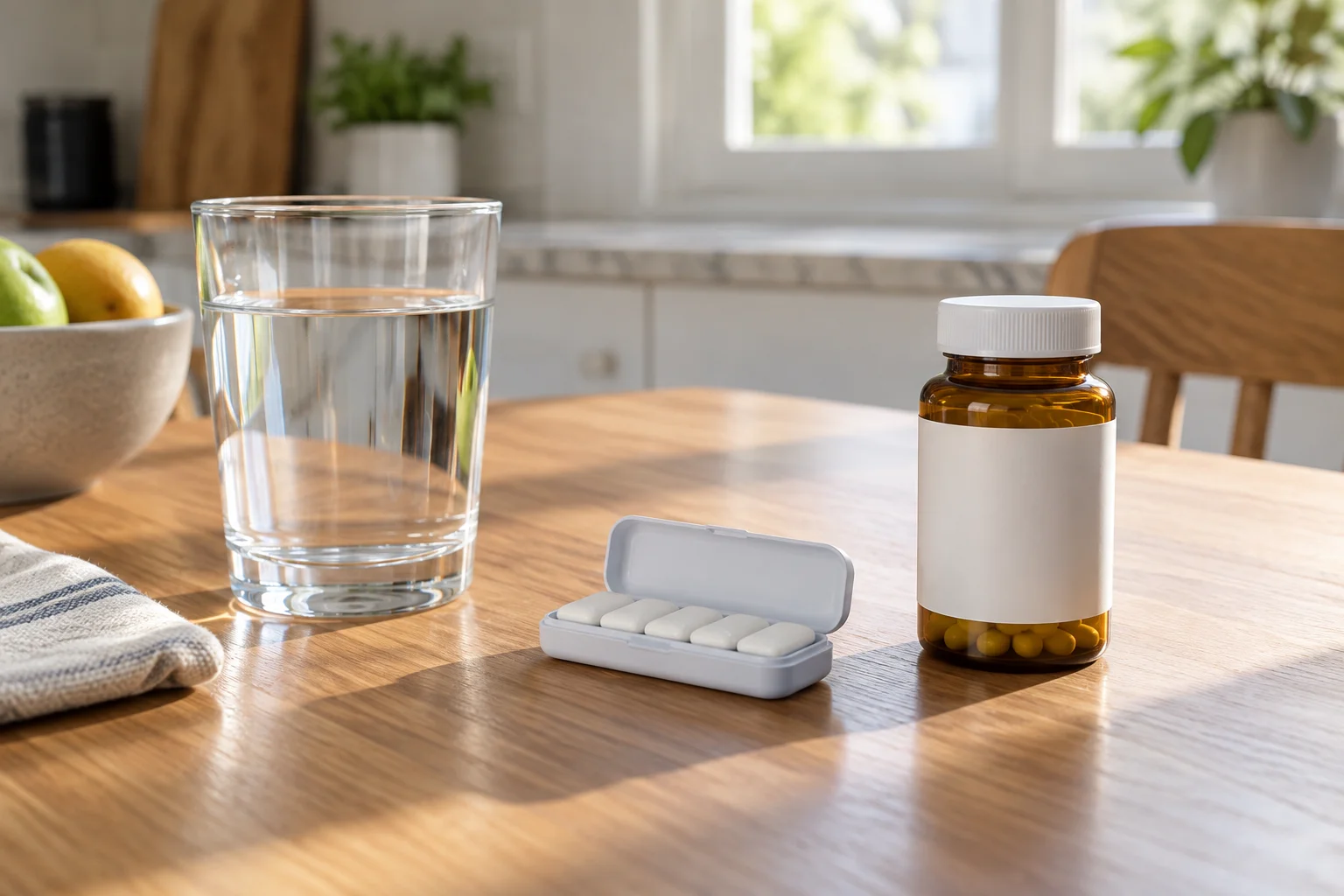
What dry mouth remedies actually work?
No single remedy works for everyone, so most people layer a few. Start with the simple ones.
Everyday habits
- Sip water through the day and with meals. Plain water is the safest drink for a dry mouth. Soda, sports drinks, and juice add sugar and acids that feed decay.
- Chew sugar-free gum or suck sugar-free lozenges, which may help stimulate saliva.
- Limit caffeine and alcohol, and skip alcohol-based mouthwash, which dries tissues further.
- Quit tobacco, and breathe through your nose when you can.
Over-the-counter relief options
Saliva substitutes (sprays, gels, and rinses) moisten the mouth for a while. Toothpaste and rinses made for dry mouth are gentler on irritated tissues, and a fluoride toothpaste helps strengthen enamel against acids. No single product suits everyone, so try one or two and tell your dentist what helps.
Prescription saliva stimulants and fluoride
When store-bought options fall short, a doctor or dentist may consider prescription medicines that stimulate the salivary glands, such as pilocarpine or cevimeline. They are not right for everyone, so your provider decides. For severe cases, a dentist may recommend at-home fluoride: custom fluoride trays, a prescription-strength fluoride toothpaste, or a fluoride rinse. These treatments help strengthen enamel, which matters when saliva cannot do that job.
How can you relieve dry mouth at night?
Saliva flow naturally slows during sleep, so dry mouth at night is often the hardest part of the day for people on medication. These steps usually help:
- Run a humidifier in the bedroom. Arizona's dry air makes this one count.
- Keep water by the bed and take small sips if you wake up parched.
- Skip caffeine and alcohol in the evening.
- Use a saliva substitute gel or spray at bedtime, and brush with fluoride toothpaste. Spit, but do not rinse, so the fluoride stays on your teeth.
- Put lip balm on before bed.
If you snore or wake up with a parched mouth every morning, mention it to your dentist or doctor. Mouth breathing can dry the mouth overnight, and your provider can look into why it is happening.
When should you see a dentist about dry mouth?
Book a visit if the dryness lasts more than a couple of weeks, started after a new medicine, or comes with any of these: new cavities or sensitive teeth, sore or bleeding gums, mouth sores that linger, white patches, or trouble swallowing. Any one of these can be a symptom worth checking.
A comprehensive oral exam lets the dentist look at your teeth, gums, and soft tissues and review your medication list. From there, the dentist may suggest more frequent cleanings, fluoride, or saliva support. If a medicine looks like the cause, your dentist can coordinate with your doctor or pharmacist, who decide whether an alternative medication or a different schedule makes sense. Routine General Dentistry visits, such as cleanings and exams, are usually where early decay and gum inflammation get caught.
FAQ
Is xerostomia the same as dry mouth?
Mostly. Xerostomia is the medical term for the feeling of a dry mouth. Hyposalivation means measurably low saliva flow. Some people feel dry with normal flow, and others have low flow without noticing. Either way, the mouth needs the same protection, and a dentist can check how well your salivary glands are working.
Does dry mouth cause cavities?
It can raise the risk. Saliva neutralizes acids and washes away bacteria, so when saliva production falls, tooth decay can move faster, especially at the gumline and on root surfaces. Fluoride, fewer sugary snacks, and regular dental visits may help lower the risk. Your dentist decides which steps fit your teeth.
Is medication dry mouth permanent?
Often it is not. Dry mouth from a medicine may ease if the prescribing doctor adjusts the dose, changes the timing, or switches to an alternative medication. Damage to the salivary glands from radiation may last longer. Your doctor can tell you what to expect, and your dentist can help protect your teeth in the meantime.
Can I stop taking my medication if it makes my mouth dry?
No. Never stop or change a medicine on your own, because the condition it manages can get worse. Talk to the prescribing doctor or your pharmacist about the dry mouth. They may suggest alternatives, and your dentist can handle the oral side with fluoride and other protective steps.
Protect Your Teeth While You Sort Out Your Medicines
If a new prescription has left your mouth parched, our team can check your teeth and gums and talk through protective steps, and new patients can start with our $49 exam and x-rays special through the Book Appointment page.