
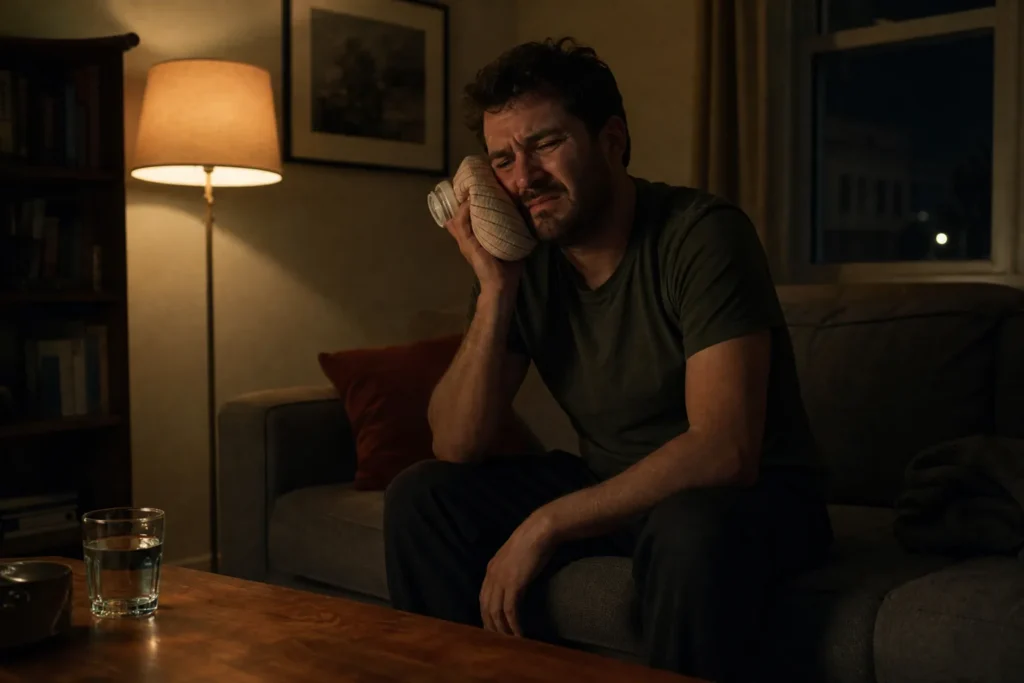
A broken or knocked-out tooth forces a fast decision: emergency room or emergency dentist in Scottsdale? In most cases, the emergency dentist is the faster path to saving the tooth, while the ER is built for bleeding, swelling, or trauma beyond the mouth. Our Dental Services team explains how to tell which one you need.
By Lernor Family Dental Team, Scottsdale Dentists
Emergency Room or Emergency Dentist in Scottsdale: The Fast Decision Rule
When a tooth breaks or gets knocked out, the decision that follows can affect whether the tooth survives. The rule of thumb: choose the emergency room when the injury goes beyond the mouth, uncontrolled bleeding, a possibly fractured jaw, a head injury, or loss of consciousness. Choose an emergency dentist when the problem is limited to the tooth itself, a crack, a chip, a tooth pushed from its socket, or pain that's become unbearable.
Hospital ERs are staffed to stabilize trauma, control bleeding, and rule out a fractured jaw or concussion, but they typically don't have a dentist on call, so a cracked crown or a knocked-out tooth often gets a referral back out the door rather than a repair. An emergency dentist in Scottsdale, by contrast, has the tools to splint a loose tooth, rebond a fragment, or start the clock on saving a knocked-out tooth before it's too late.
If you're unsure, call first. A quick description of the injury over the phone is usually enough for our team to point you toward the right one.
Can a Hospital Emergency Room Actually Fix a Broken or Knocked-Out Tooth?
Most hospital emergency rooms can clean the wound, take an X-ray to check for a jaw fracture, and give you something for pain, but they generally cannot fix the tooth itself. Very few ERs have a dentist on staff, and the equipment needed to bond a broken tooth, cement a crown, or reposition a knocked-out tooth is dental equipment, not hospital equipment.
If the fracture is deep enough to expose the nerve, the long-term fix is often a root canal treatment, not something an ER visit alone resolves. The same goes for a bonded repair or a crown: an ER visit might control pain for a night, but the tooth still needs a Restorative Dentistry evaluation before it's actually treated. That gap is why emergency dentists exist as a distinct path from the ER.
What Counts as a True Dental Emergency vs. Something That Can Wait
Not every dental problem is a true dental emergency, but knowing which ones need same-day care can save a tooth. A true dental emergency usually involves active bleeding, a knocked-out tooth, a tooth broken badly enough to expose the nerve, a swollen face that could signal a spreading infection, or pain severe enough that over-the-counter medication does nothing.
Issues that can typically wait for a regular appointment include a small chip with no pain, a lost filling with no sensitivity, or a dull ache that comes and goes. That doesn't mean ignore it, a small issue left untreated can become a larger one, but it usually doesn't need a same-day visit.
When in doubt, treat it as urgent. Waiting to find out whether something is truly a dental emergency often costs more than an unnecessary call would have.
The First Few Minutes After Breaking or Knocking Out a Tooth
What you do in the first few minutes has a real effect on whether a tooth can be saved.
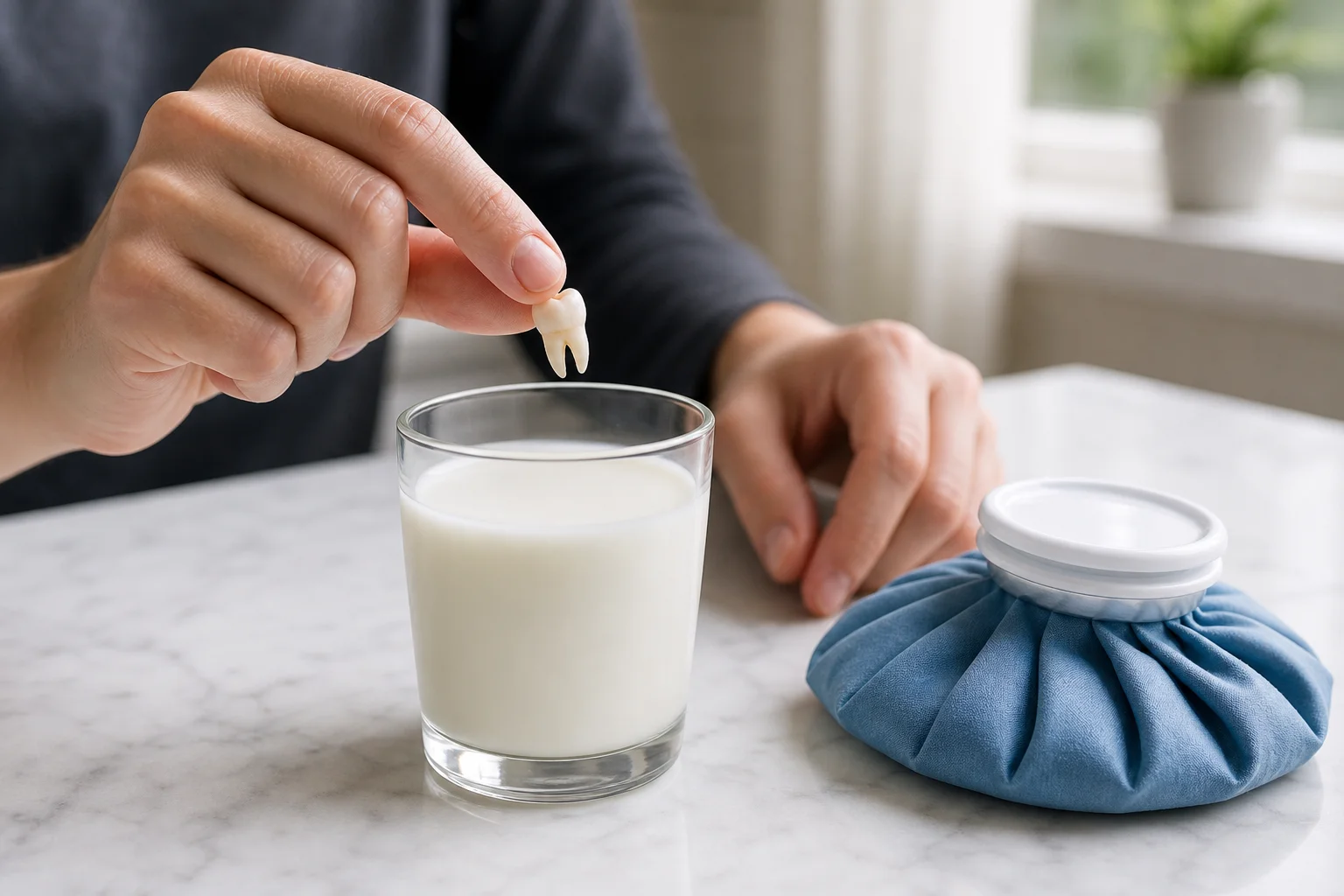
For a knocked-out tooth: pick it up by the crown, the white part, never the root. If it's dirty, rinse it briefly with water, don't scrub it. Try to place it back in the socket if possible; if not, keep it moist in milk rather than plain water. Time matters, a knocked-out tooth has the best chance of being saved when handled within about an hour.
For a broken tooth: rinse your mouth with warm water, save any pieces you can find, and apply a cold compress to the outside of your cheek to control swelling and pain. Avoid chewing on that side, and skip aspirin directly on the gum, it can burn the tissue.
In either case, call an emergency dentist immediately rather than waiting to see if the pain settles on its own. Acting quickly is often the difference between saving the natural tooth and losing it.
ER Costs, Insurance, and Same-Day Emergency Dentist Access in Scottsdale
How Much Does an ER Visit Cost Compared to an Emergency Dentist
Hospital emergency rooms typically bill a facility fee plus a physician fee that can add up quickly, and if the ER can't actually treat the tooth, you may still need a follow-up visit with a dentist, essentially paying twice for one problem. An emergency dentist visit is usually a single, more predictable cost that includes the actual repair, not just a referral. If cost is a concern, calling ahead to ask what a specific visit is likely to involve is the most reliable way to plan.
Does Dental Insurance Cover an ER Visit for a Tooth
Dental insurance is generally built to cover dental-office visits, not hospital emergency rooms, so an ER trip for a tooth injury is usually billed through medical insurance instead, often at a higher out-of-pocket cost. Coverage varies by plan, so it's worth checking with your insurer. Many emergency dentist visits are covered at least in part by dental insurance, one more reason the dental office is usually the better first call for a tooth-only injury.
How Fast Can You Get a Same-Day Emergency Dental Appointment in Scottsdale
Most true dental emergencies can be seen the same day when you call as soon as the injury happens. Lernor Family Dental keeps same-day slots open for broken teeth, knocked-out teeth, and severe tooth pain, so patients in Scottsdale AZ aren't stuck waiting days for care. The earlier you call, the more likely same-day care is available.
When a Broken Tooth Becomes a Medical Emergency, and What Happens If You Wait
When Is a Broken Tooth Actually a Medical Emergency That Needs the ER First
A broken tooth becomes a medical emergency, not just a dental one, when it's paired with heavy bleeding that won't stop, a visibly fractured jaw, facial swelling spreading toward the eye, trouble breathing or swallowing, or a head injury from the same fall. Go to the ER first in those cases. Once you're medically stable, an emergency dentist can address the tooth itself.
Will Urgent Care Fix a Broken Tooth
Urgent care clinics are built around general medical issues, not teeth. Like a hospital ER, they can usually offer pain medicine or antibiotics if there are signs of infection, but generally lack the equipment or training to actually repair a broken tooth. For a tooth-specific injury, an emergency dentist is still the right choice over urgent care.
What Happens If You Wait Too Long to Treat a Broken Tooth
A crack that reaches the nerve gives bacteria a direct path into the tooth, and waiting raises the risk of infection, an abscess, and pain that gets sharply worse. What might have been a same-day bonding or crown can turn into a root canal, and in more advanced cases, an extraction followed by replacement options like dentures or partials or a dental implant. Early treatment is almost always the simplest path, waiting rarely makes the fix easier.
Does the ER Give Pain Medicine or Antibiotics for a Tooth Emergency
Yes, hospital ERs can typically prescribe pain medicine and antibiotics if there are signs of infection or swelling. What they generally cannot provide is the dental repair itself, the crown, the bonding, the root canal, or the extraction. ER pain and antibiotic management is meant to provide short-term relief until you can get to a dentist, not replace that visit.
Frequently Asked Questions
Is a broken tooth a dental emergency or can it wait until morning?
A broken tooth is usually a dental emergency, especially with pain, exposed nerve tissue, or a sharp edge. Waiting overnight raises infection risk and can turn a simple repair into a root canal. If it came with bleeding that won't stop or facial trauma, go to the ER first, then call an emergency dentist once you're stable.
Should I go to urgent care or an emergency dentist for a broken tooth?
Weighing an emergency room or emergency dentist in Scottsdale against urgent care, the dentist wins for a tooth injury. Urgent care can manage pain or infection with medication, but isn't equipped to bond a fracture, place a crown, or reposition a knocked-out tooth.
What should I do with a knocked-out tooth in the first few minutes?
Pick it up by the crown, never the root, rinse it gently if dirty, and try to place it back in the socket. If that isn't possible, keep it moist in milk and call an emergency dentist immediately. A knocked-out tooth has the best chance of being saved within about an hour.
Does insurance cover an emergency room visit for a tooth injury?
Usually not through dental insurance. ER visits for a tooth typically fall under medical insurance and often cost more out of pocket than a dental office visit. Emergency dentist appointments are more likely to be covered, at least in part, by a dental plan, so check both before assuming either visit is fully covered.
How quickly can Lernor Family Dental see me for a same-day emergency?
Same-day appointments are typically available for true dental emergencies like broken teeth, knocked-out teeth, and severe tooth pain. Calling as soon as the injury happens gives our Scottsdale team the best chance of fitting you in that day and starting treatment early.
Get Same-Day Emergency Dental Care in Scottsdale
If you're dealing with a broken tooth, a knocked-out tooth, or dental pain that won't let up, don't wait to see if it improves on its own. Book Appointment with our Scottsdale team and get the same-day dental care that fixes the problem.