
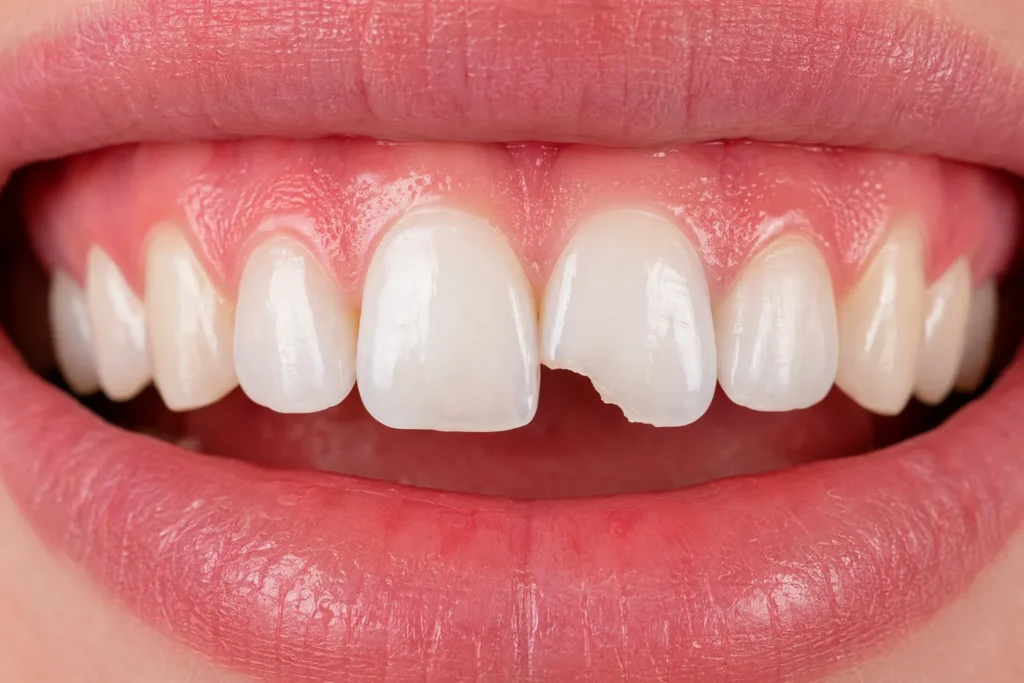
A chipped tooth, small gap, or stained enamel does not have to mean months of treatment. Dental bonding in Scottsdale repairs minor cosmetic and structural issues in a single visit, using tooth-colored composite resin instead of a lab-made restoration. It is one of the fastest, most affordable options in our Cosmetic Dentistry lineup.
By Lernor Family Dental Team, Scottsdale Dentists
What Is Dental Bonding in Scottsdale? How the Process Works
Dental bonding is a cosmetic and restorative procedure where Dr. Lernor applies a tooth-colored composite resin directly to the surface of a tooth, then shapes, smooths, and hardens it with a curing light. The resin bonds directly to your tooth enamel, the hard outer layer that protects each tooth, allowing us to close gaps, rebuild chipped edges, and cover discoloration without removing significant healthy structure. Because it is applied and sculpted by hand in the chair, dental bonding in Scottsdale typically requires only one appointment, making it one of the quickest ways to freshen a smile as part of ongoing dental care.
How Much Does Dental Bonding Cost in Scottsdale?
The price of dental bonding depends on how many teeth need treatment and how much reshaping each one requires, so Dr. Lernor quotes an exact cost only after a hands-on exam. New patients can start that conversation with our $49 exam and X-rays special, and first-time patients also receive a 10% discount on their first appointment. If you do not have dental benefits, our Dental Savings Plan can help make bonding and other Dental Services more predictable to budget for. We are also in network with many insurance plans, so it is worth asking our team to check your coverage before your visit.
How Long Does Dental Bonding Last?
With good habits, dental bonding typically lasts several years before it needs touching up, though composite resin is less stain-resistant and less durable than porcelain. Chipping edges, grinding at night, and biting hard items like ice or pens can shorten its lifespan, so patients who protect their bonding with a nightguard or by breaking habits like nail-biting tend to get more life out of the material. Because bonding is applied in layers rather than milled from a solid block, touch-ups are usually quick and do not require replacing the entire restoration.
Dental Bonding vs Veneers: Which Is Right for You?
Both dental bonding and porcelain veneers correct chips, gaps, and discoloration, but they solve the problem differently. Bonding reshapes your existing tooth with composite resin in a single visit and costs less upfront, while porcelain veneers are thin, custom-made shells bonded over the front of the tooth for a longer-lasting, stain-resistant result that usually takes two visits to complete. Patients who want a quick, reversible fix for one or two teeth often choose bonding, while patients correcting several teeth at once, or who want a more permanent, whiter result, tend to lean toward veneers. Dr. Lernor can walk you through both during a consultation and recommend whichever fits your smile goals and budget.
How Long Does a Dental Bonding Procedure Take?
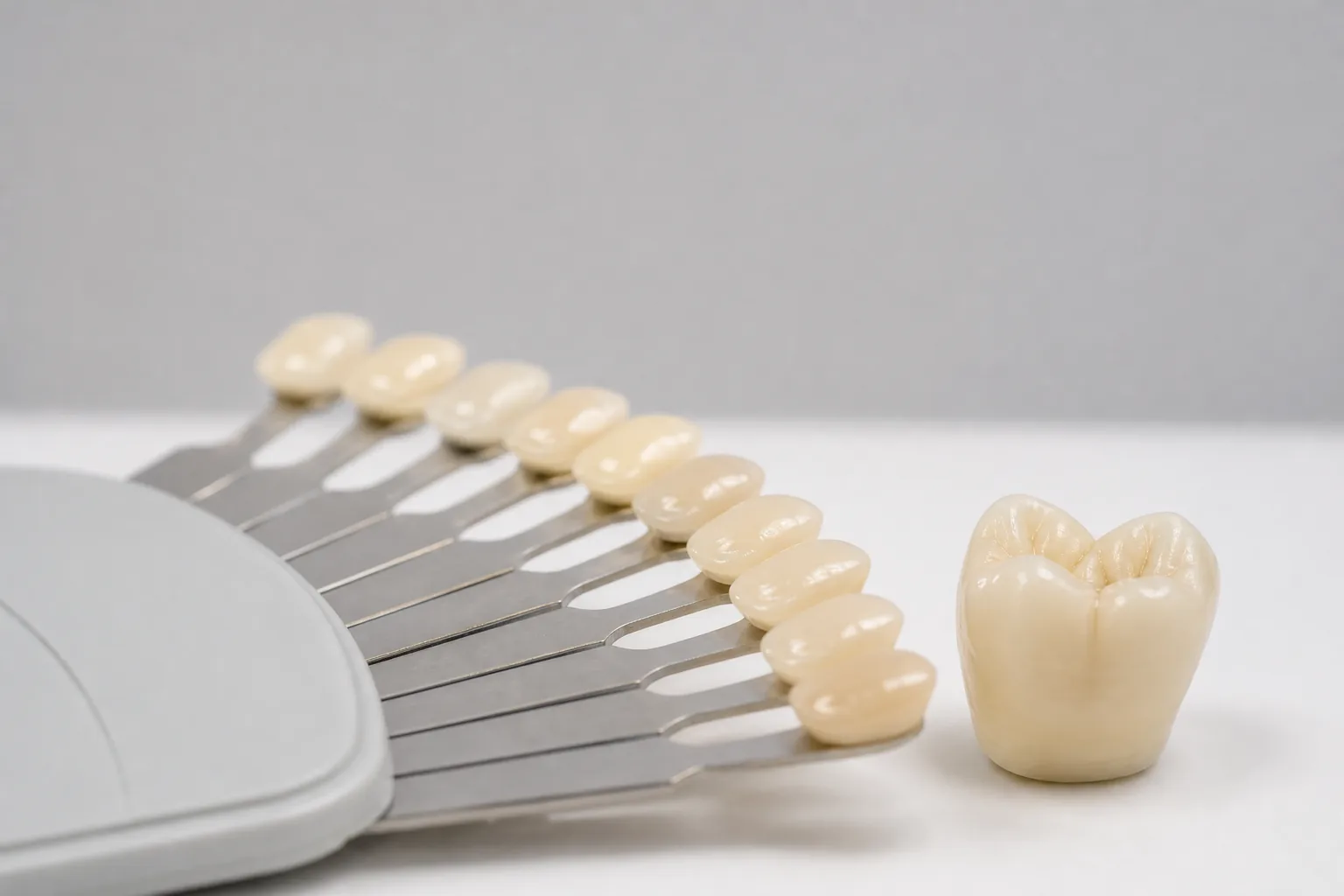
Most dental bonding appointments take 30 to 60 minutes per tooth, depending on how much shaping and layering the tooth needs. Dr. Lernor selects a composite shade that matches your natural tooth enamel, roughens the tooth surface slightly so the resin adheres, then applies and sculpts the material in thin layers, hardening each one with a curing light before adding the next. The final step is polishing the bonded tooth so it blends smoothly with the surrounding enamel and reflects light the same way your natural teeth do. Because there is no lab fabrication involved, most patients leave the same day with a finished result.
How Do You Care for Bonded Teeth?
Bonded teeth respond well to the same routine dental care that protects your natural teeth: brushing twice a day, flossing daily, and keeping up with regular cleanings and exams. Because composite resin can chip or stain more easily than natural enamel, it also helps to avoid biting fingernails, pens, or ice, and to cut back on foods and drinks that stain, like coffee, red wine, and dark sauces. If you grind your teeth at night, ask about a custom nightguard to protect both your bonding and your natural tooth enamel from added wear. Routine visits let us catch small chips or rough edges early, before they turn into a bigger repair.
What Is the Difference Between Dental Bonding and Composite Fillings?
Dental bonding and composite fillings use the same tooth-colored resin material, but they solve different problems. A filling replaces tooth structure lost to decay, is usually placed below the gumline of a cavity, and is covered as a restorative treatment by most dental insurance plans. Bonding is applied to the visible, healthy surface of a tooth to change its shape, close a gap, or hide a chip or stain, which is why it is usually treated as a cosmetic service. In practice, Dr. Lernor often uses the identical technique and material for both, so if you already have composite fillings, dental bonding should feel like a very familiar procedure.
Frequently Asked Questions
Is dental bonding painful?
No, dental bonding is typically painless. Because the procedure only involves the outer surface of the tooth, most patients do not need anesthesia at all, and any mild sensitivity during shaping and polishing is easy to manage. If bonding is being used to repair a tooth near a cavity or exposed nerve, Dr. Lernor may use a local numbing agent for comfort.
Is dental bonding covered by dental insurance?
Coverage varies by plan and by why the bonding is being done. Insurance is more likely to help when bonding repairs damage from decay or injury, and less likely when it is purely cosmetic. We are in network with many insurance plans, so our team can check your specific benefits, and our Dental Savings Plan is available for patients without coverage.
Can dental bonding fix a chipped or gapped tooth?
Yes, chipped edges and small gaps between teeth are two of the most common reasons patients choose dental bonding. Composite resin is layered onto the tooth to rebuild the missing edge or fill the visible gap, then shaped and polished to blend with your natural tooth enamel. For larger gaps or more significant chips, Dr. Lernor may recommend veneers or another restorative approach instead.
How do I find the best dentist for dental bonding in Scottsdale?
Look for a dentist who does bonding chairside rather than outsourcing it, has before-and-after photos of real patients, and takes time to match the composite shade to your natural teeth. Reviews and experience matter too. Patients consistently point to Dr. Lernor's attention to detail and gentle approach, and our team is happy to walk you through examples before you commit to treatment.
Can bonded teeth be whitened later?
Composite resin does not respond to whitening treatments the way natural tooth enamel does, so if you plan to whiten, do it before bonding, not after. Once you know your target shade, Dr. Lernor matches the composite to that result so everything blends. If your teeth have already darkened since bonding was placed, options like professional teeth whitening on the surrounding natural teeth, or replacing the bonding to match, are worth discussing at a visit.
Ready to Fix That Chip or Gap?
Dental bonding in Scottsdale can turn a chipped edge, gap, or stained tooth into a seamless smile in a single visit, and our team can tell you if it is the right fit for you during a quick consultation. Book Appointment to get started.