

If your jaw clicks, aches, or locks when you chew, TMJ treatment in Scottsdale can restore comfortable movement and quiet those headaches for good. At Lernor Family Dental, our General Dentistry team diagnoses the root cause of jaw joint dysfunction and builds a plan that fits your bite, your schedule, and your life.
By Lernor Family Dental Team, Scottsdale Dentists
Understanding TMJ Disorders and the Jaw Joint
The temporomandibular joint connects your jawbone to your skull and works every time you talk, chew, or yawn. When that jaw joint becomes inflamed, misaligned, or overworked, dentists call the result TMJ disorders, and the symptoms can reach far beyond your mouth. Patients often describe jaw pain that radiates into the ears, tension headaches, and facial pain that shows up first thing in the morning. Others notice clicking popping sounds when they open wide, or a jaw that catches and locks mid-bite.
TMJ disorders, sometimes shortened to TMD, develop for a range of reasons: nighttime teeth grinding, a bite that does not quite meet correctly, old jaw injuries, or arthritis in the joints themselves. Stress plays a role too, tightening the muscles around your jaw until everyday tasks like chewing turn into a source of discomfort. Left unaddressed, these jaw issues tend to compound, which is why our Scottsdale team, backed by years of hands-on experience treating jaw joint problems, encourages patients to get evaluated as soon as symptoms appear rather than waiting for the pain to become constant.
Signs You May Need TMJ Treatment in Scottsdale
Not every ache in your jaw points to a joint problem, but certain patterns are a clear signal that it is worth exploring treatment:
- Frequent headaches or migraines that start near the temples
- TMJ pain that worsens with talking, yawning, or chewing
- Difficulty chewing tougher foods without your jaw catching
- A jaw that clicks, pops, or feels like it shifts to one side
- Tenderness around the jaw joint, ears, or neck when you wake up
If any of these sound familiar, it is worth a conversation with our dental team before the underlying issue gets more complicated to treat. TMJ pain rarely resolves fully on its own, and the longer a bite stays out of balance, the more the surrounding muscles and joints compensate.
How We Diagnose Jaw Pain and TMJ Disorders
Every TMJ treatment plan starts with a thorough exam. We look at how your teeth meet, check the jaw joint for popping or restricted movement, and review your health history for clues like teeth grinding or old dental work that changed your bite. In some cases, a misaligned bite from missing or worn teeth is contributing to the strain, which is where our Restorative Dentistry options come in, rebuilding damaged teeth so your bite sits evenly again and your jaw joint is not compensating for a problem elsewhere in your mouth. For patients missing teeth altogether, dentures and partials can restore a complete, even bite that takes pressure off the jaw joint rather than adding to it.
For patients whose bite misalignment is a main driver of their symptoms, straightening the teeth can relieve pressure on the joint before it becomes chronic. Clear aligner therapy gradually shifts the teeth into a more even position so the bite carries balanced pressure and the jaw joint is not forced to compensate. Whether that approach fits your symptoms is something we map out together during your exam, as part of a broader dental plan.
Advanced TMJ Treatment Options at Our Scottsdale Practice
Once we understand what is driving your symptoms, treatment scottsdale patients trust usually combines a few approaches. Custom bite splints hold your jaw in a more relaxed position overnight, easing pressure on the joint while you sleep. For patients dealing with inflammation and muscle tension, we offer advanced laser therapy, a low-level treatment that calms sore tissue around the jaw joint without medication or downtime. When a misaligned bite is part of the picture, minor adjustments to your teeth can take pressure off the joints for good, rather than simply masking the pain.
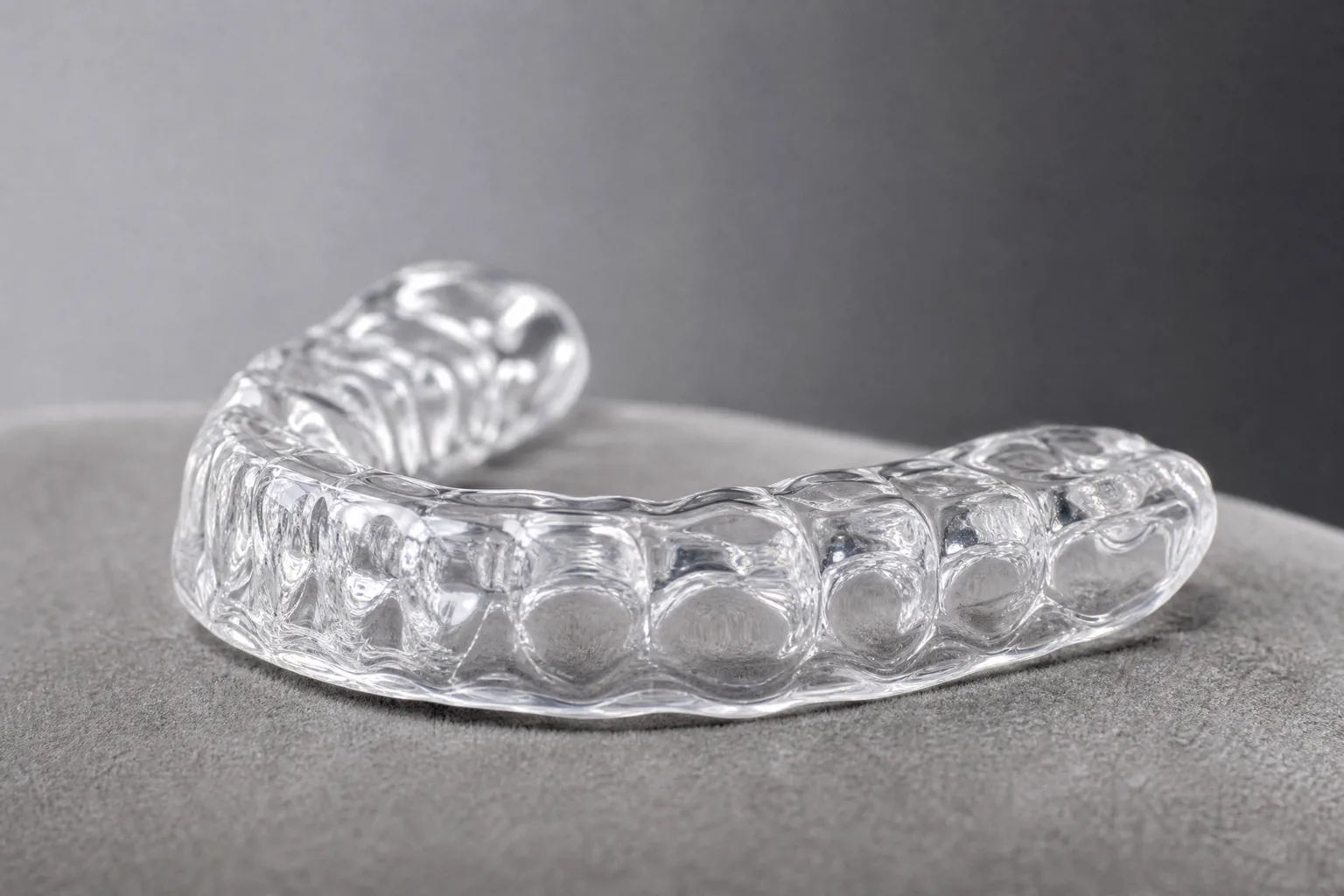
Every plan is different, and most patients need a combination of these tools rather than a single fix. We review progress at follow-up visits and adjust as your jaw joint responds.
What to Expect During Your Visit
Your first TMJ visit starts with a conversation, not a lecture. We will ask about when the pain started, what makes it better or worse, and how it is affecting your daily routine, whether that is eating, sleeping, or even talking on the phone for work. From there we combine a hands-on exam with digital imaging to map out exactly what is happening inside the jaw joint.
Because jaw health is closely tied to overall oral health, we often pair TMJ care with the same routine checkups that catch new issues before they add strain to an already sensitive joint. Families across the Valley, including Scottsdale AZ and the surrounding Phoenix area, choose Lernor Family Dental because we treat the whole mouth, not just the symptom in front of us. We build long term relationships with every member of the household, so small issues get caught early and jaw health stays part of the bigger picture of your family's care.
Frequently Asked Questions
What are the most common TMJ disorders symptoms?
The most common symptoms include jaw pain near the ear, clicking or popping when you open your mouth, headaches that start at the temples, and difficulty chewing tougher foods. Some patients also notice their jaw locks briefly or shifts to one side when opening wide. If these symptoms last more than a few weeks, it is a good sign your jaw joint needs a professional evaluation.
How do I know if I need TMJ treatment in Scottsdale?
If jaw pain, popping, or headaches are showing up several times a week, or if chewing has become uncomfortable, it is time to schedule appointment with our dental team. A short visit can confirm whether TMJ disorders are behind your symptoms and outline a treatment plan built around your bite, your schedule, and how quickly you want relief.
Is TMJ treatment painful?
No. Most TMJ treatment is noninvasive and focused on reducing strain on the jaw joint, whether through a custom bite splint, laser therapy, or minor bite adjustments. Many patients feel looser and more comfortable within the first few weeks, and treatment is adjusted along the way so it stays comfortable rather than adding new discomfort.
Will TMJ treatment give me long-term relief?
For most patients, yes. Addressing the root cause, whether that is grinding, a misaligned bite, or joint inflammation, tends to produce long-term relief rather than a temporary fix. Ongoing checkups let us catch any new strain on the jaw joint early, which keeps symptoms from creeping back once your initial treatment is complete.
Does dental insurance cover TMJ treatment?
Coverage varies by plan and by the specific treatment involved, since TMJ care sometimes overlaps between dental and medical benefits. Our front desk team can review your plan details and walk you through what is covered before any TMJ treatment begins, so there are no surprises when it comes to cost.
Get TMJ Treatment in Scottsdale That Fits Your Life
Jaw pain, popping, and tension headaches do not have to run your week. If you are ready to schedule appointment with a team that listens, Book Appointment with our Scottsdale dentists and start treatment for a jaw joint that finally feels normal.