
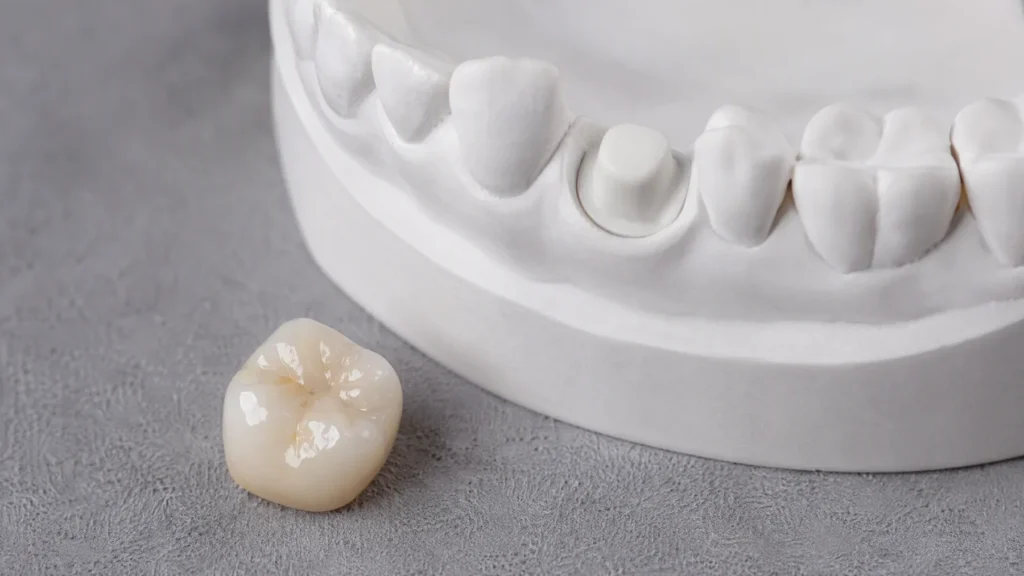
If you have been told you need a dental crown in Scottsdale, you are not alone. Crowns are one of the most commonly placed restorations in dentistry, and for good reason. They protect damaged or weakened teeth, restore full chewing function, and can dramatically improve the appearance of a smile. Understanding the types available, what the procedure involves, and what recovery looks like helps you walk into your appointment feeling prepared and confident.
What Is a Dental Crown?
A dental crown is a cap that fits over an existing tooth, covering it entirely from the gumline up. Once cemented in place, the crown becomes the new outer surface of the tooth. It takes on the full workload of biting and chewing while shielding whatever remains of the natural tooth structure underneath.
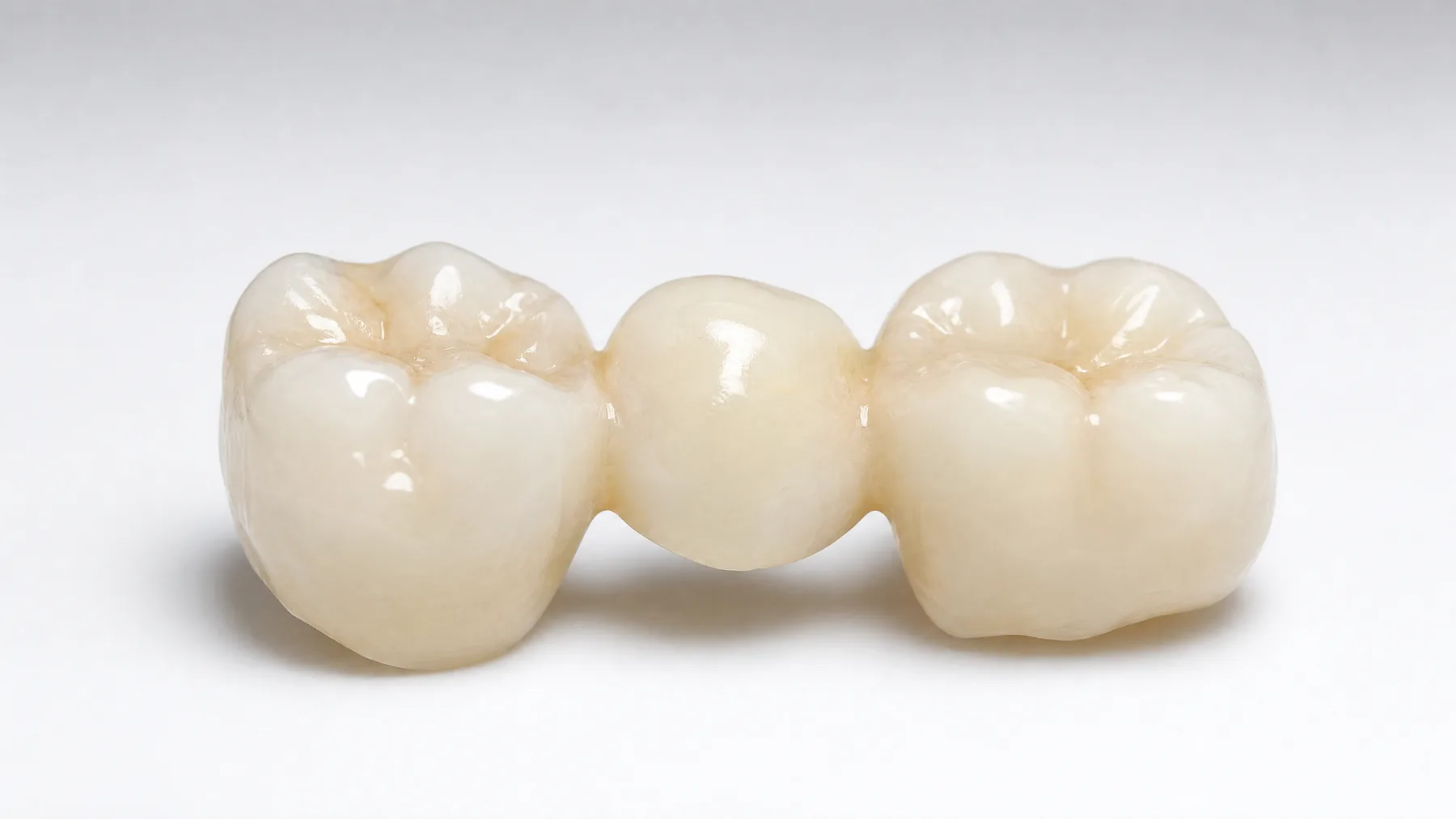
Crowns are used in a wide range of situations. Common reasons your dentist might recommend one include a tooth that has cracked or fractured, a tooth weakened by a large cavity or old filling, a tooth that has just had a root canal, or a tooth that is severely discolored or misshapen and cannot be adequately corrected with other cosmetic options. Crowns are also used to anchor a dental bridge or to cap a dental implant.
Types of Dental Crowns
One of the first things your dentist will discuss with you is the material. There is no single crown type that is best for everyone. The right choice depends on which tooth is being restored, how visible it is when you smile, the forces it needs to withstand, and your personal preferences.
Porcelain Crowns
Porcelain crowns in Scottsdale are among the most requested options, particularly for front teeth and teeth in the smile zone. All-ceramic and all-porcelain crowns can be color-matched closely to surrounding teeth and have a translucency that mimics natural tooth enamel. They are biocompatible, meaning they are gentle on surrounding gum tissue, and they do not contain any metal, which makes them a preferred choice for patients with metal sensitivities or those who want the most natural-looking result.
The tradeoff is that porcelain, while strong, is not quite as durable under extreme bite forces as some other materials. For teeth toward the back of the mouth that take on the heaviest chewing load, your dentist may discuss alternatives.
Porcelain-Fused-to-Metal (PFM) Crowns
PFM crowns combine a metal inner structure with a porcelain outer layer. The metal core provides strength and stability, while the porcelain facing gives a tooth-colored appearance. They have been used reliably in dentistry for decades and remain a practical option for both front and back teeth.
The potential downside is a thin dark line that can sometimes become visible at the gumline as gums naturally recede over time. For patients where aesthetics in that zone are a priority, all-ceramic options may be a better fit.
Zirconia Crowns
Zirconia has become increasingly popular because it offers excellent strength and a natural-looking appearance. Zirconia crowns are milled from a single solid block, making them resistant to chipping and cracking. They work well for back teeth that need to handle significant biting force, and advances in tooth-shaded zirconia now make them a viable option for front teeth as well.
Gold and Metal Alloy Crowns
Metal crowns, often made from gold alloy or base metal alloys, are extremely durable and require the least amount of tooth structure to be removed during preparation. They are rarely the first choice for visible teeth because of their metallic appearance, but for back molars in patients who grind their teeth heavily, metal crowns offer unmatched longevity.
The Dental Crown Procedure in Arizona
The dental crown procedure in Arizona follows the same clinical steps you would expect anywhere, though practices vary in how they handle certain stages. Most traditional crown placements require two appointments, though same-day crowns are available at some offices.
First Appointment: Preparation and Impressions
Your dentist will begin by numbing the area around the tooth with local anesthetic. Once you are comfortable, the tooth is shaped to create room for the crown. This involves removing a layer of enamel from the sides and top of the tooth. How much is removed depends on the type of crown being placed.
Once the tooth is shaped, your dentist takes an impression. This may be done with traditional putty-based impression material or with a digital intraoral scanner, which creates a 3D digital model of your teeth. The impression is sent to a dental lab where your custom crown is fabricated.
While your permanent crown is being made, your dentist places a temporary crown over the prepared tooth to protect it and maintain its position. Temporary crowns are not as strong as permanent ones, so your dentist will give you guidance on what to eat and avoid during this time.
Second Appointment: Placement
When your permanent crown comes back from the lab, typically within a couple of weeks, you return for placement. The temporary crown is removed, and the fit, shape, and color of the new crown are checked carefully. Your dentist makes any needed adjustments and then cements the crown into place. Once set, the crown is checked against your bite to confirm that everything comes together naturally.
Same-Day Crown Options
Some dental offices in Scottsdale use in-house milling technology, often referred to as CEREC or CAD/CAM systems, that allows them to design and fabricate a ceramic crown on the same day. This eliminates the need for a temporary crown and the second appointment. If same-day crowns are available at your practice, your dentist will let you know whether you are a good candidate.
Recovery and What to Expect After Crown Placement
Most patients find recovery from a crown placement to be straightforward. The procedure does not involve surgical incisions or stitches, so the post-appointment experience is generally mild.
Sensitivity and Discomfort
It is common to experience some sensitivity and mild soreness for a few days after your appointment, particularly when the anesthetic wears off. The gum tissue around the prepared tooth may also feel tender. Over-the-counter pain relievers typically manage this comfortably. If you experience sharp pain, significant swelling, or discomfort that gets worse rather than better after a few days, contact your dental office.
Bite Adjustment Period
Your bite may feel slightly different at first as you get used to the new crown. Minor adjustments can be made at a follow-up visit if anything feels off after the numbness has fully worn away. It is normal for it to take a short time to feel completely natural.
Eating and Drinking
With a temporary crown in place, avoid sticky or hard foods that could dislodge or damage it. Chew on the opposite side when possible. Once your permanent crown is placed and fully set, you can generally eat normally, though using reasonable caution with very hard foods protects any dental restoration over the long term.
Caring for Your Crown
A dental crown does not require special maintenance beyond your normal oral hygiene routine. Brush twice daily, floss once daily, and pay attention to the gumline around the crown. The crown itself cannot decay, but the tooth underneath it can if bacteria accumulate at the margin where the crown meets the natural tooth. Consistent brushing and flossing protect that transition zone.
Regular dental checkups allow your dentist to monitor the crown for any changes in fit or signs of wear. With proper care, a well-placed crown can last many years.
Ready to Restore Your Smile?
If you have questions about dental crowns or have been referred for a crown procedure, the team at Lernor Family Dental in Scottsdale is here to help. We take time to walk through your options, explain what to expect at each stage, and make sure you feel comfortable before any work begins. Contact our office to schedule a consultation and find out which crown option is the right fit for your smile.